
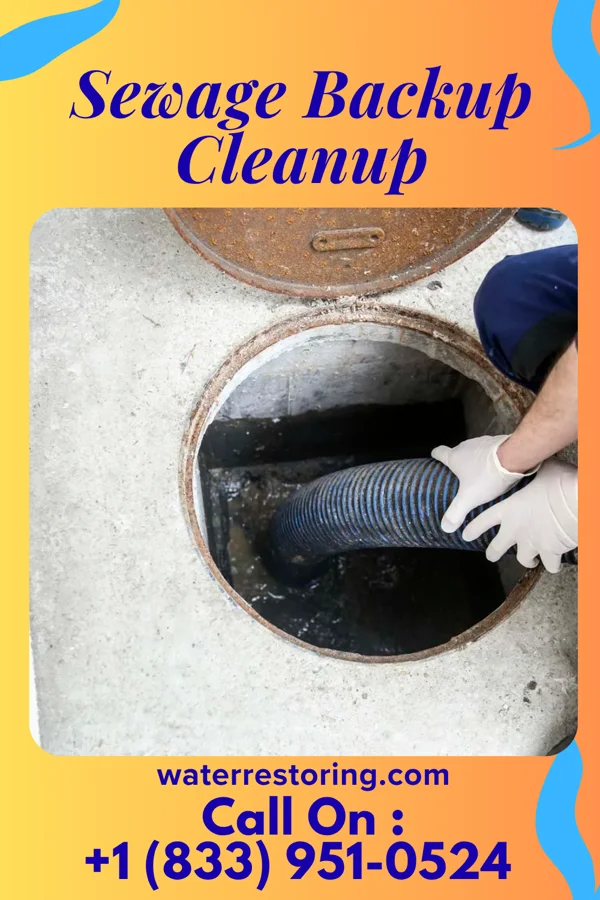
Common Sewage Backup Causes in Great Falls
Most sewage backup cleanup calls in Great Falls come from spring snowmelt infiltrating aging sewer lines through cracks and root intrusion. If you know what is about to happen, the decisions during the first 48 hours get a lot easier.
Great Falls experiences significant snowmelt in the spring, which can overwhelm the aging sewer systems. The region's clay soil and frequent thawing can lead to cracks in underground pipes, increasing the risk of sewage backups, especially in residential areas near the river.
Most sewage backup cleanup calls in Great Falls come from spring snowmelt infiltrating aging sewer lines through cracks and root intrusion. Local mold risk: 48-72 hours